

Decorating Trends For Your Apartment In 2026
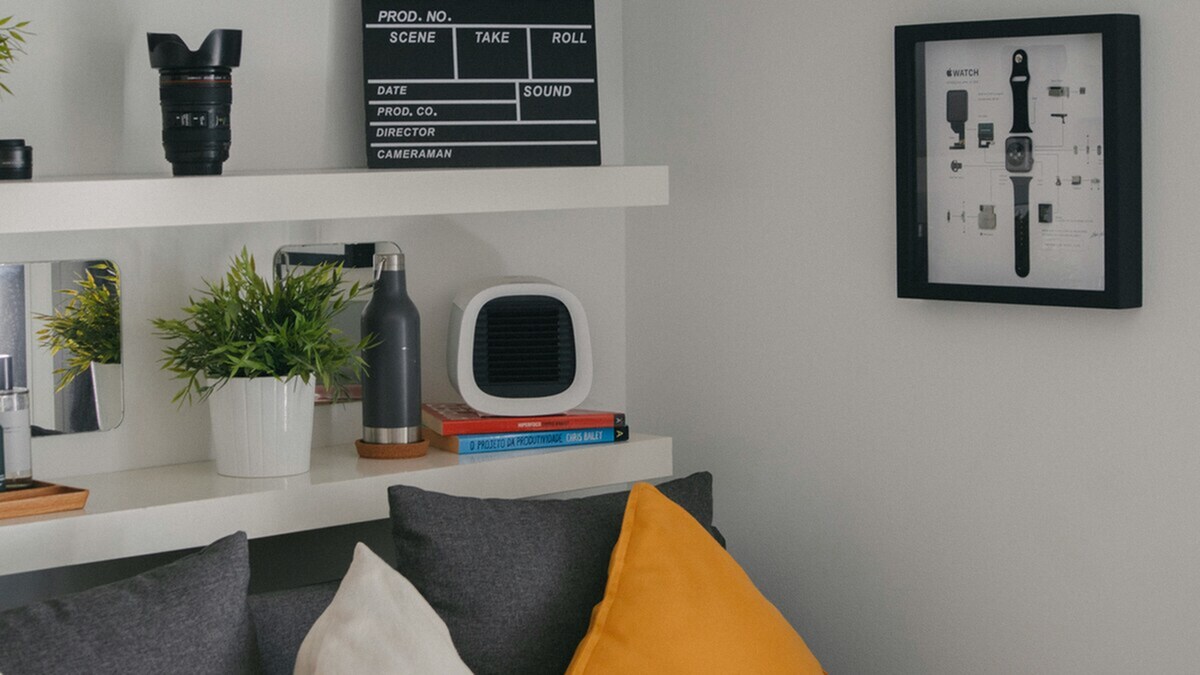
Trends come and go, but the best apartment upgrades share one thing: they’re easy to live with (and easy to move with). In 2026, decorating is less about “redoing” your place and more about small swaps that make your home feel personal, cozy, and intentional, without committing to anything permanent.
Below are simple, renter-friendly decorating trends you can try no matter your space, schedule, or lease length. Pick just one section to start or mix a few for a bigger impact. The key is choosing upgrades that change how you experience the room, not just how it looks in a photo.
1) Refined Layering
Refined layering is the fastest way to make an apartment feel more “finished” without buying a lot. The trick is to add a few tactile pieces that create depth—so your room looks comfortable and intentional instead of flat. If you’ve ever felt like your place is clean but still missing something, layering is usually the “something.”
A) Start with one “texture upgrade”
Texture upgrades work because they change how light hits a space—knits, nubby fabrics, and woven materials add dimension even in neutral colors. In a small apartment, texture can do the job that bold color might do in a bigger home, but with less visual chaos. It also makes your sofa/bed look more inviting instantly.
Try This:
-Add a nubby throw blanket to the sofa or bed
-Swap two pillow covers for something textured (bouclé, knit, linen-look)
-Add a small woven basket (decorative and functional)
B) Make it look intentional in 60 seconds
Layering looks “designer” when it follows a repeatable pattern. Your brain reads repetition as order. If you add texture randomly, the room can feel cluttered; if you repeat one material and one color, it feels curated. This is especially helpful if you’re only buying a few items and want them to look like part of a plan.
Quick habit tip: repeat one material twice (example: woven basket + woven tray), and repeat one color three times (example: throw + pillow + small vase).
C) Match the vibe of your home base
When you match your decor to the finishes you already have, the whole apartment looks more cohesive. Use your community’s photos as a cheat sheet for tones (warm vs. cool) and materials (wood, metal, stone looks). This helps you avoid buying pieces that feel right in a store but look “off” once they’re home. Looking for a head start on your decor ideas? Check out these photos from The Colony at Bear Creek and visualize your interior design plans!
2) Cordless Glow
Lighting is one of the few upgrades that can make an apartment feel dramatically more elevated without changing anything permanent. In 2026, the shift is toward portable, rechargeable lighting that lets you put light exactly where you need it, whether that be bedside, shelved, or in a dining corner. Good lighting also makes everything else you already own look better.
A) Add one small light where you “land”
The best place for a new light isn’t where your room looks dark, it’s where you feel the darkness most. A small lamp near your “end of day” spot makes evenings calmer and instantly reduces the harsh overhead-light vibe. If you’ve ever felt like your apartment doesn’t feel cozy at night, a single warm lamp should fix that.
Try this:
-A small cordless lamp on a bedside table
-A warm-toned bulb in a living room corner lamp (if you already have one)
-A compact lamp on a bookshelf for a “soft corner” effect
B) Layer your lighting
Layered lighting makes a room feel bigger because your eyes move through different pools of light instead of one bright source. It also lets you switch your apartment’s mood based on activities like working, hosting a small gathering, or winding down. If you only add one upgrade to your space this year, choose lighting as it'll pay off daily.
Try this:
-Keep overhead lights for “task mode”
-Add one table lamp for “evening mode”
-Add one tiny accent light for “cozy mode”
C) Use lighting to highlight what you already love
Lighting isn’t just functional, it’s a spotlight for your personality. Aim it at one “feature” you already have: a plant, a framed photo, a shelf of books, or a record player setup. This creates a focal point, and focal points make a room feel styled even if the rest is simple.
3) Warm Minimalism
Warm minimalism is for people who want a calmer space but don’t want it to feel empty or generic. The idea is fewer items, but each one earns its place through texture, shape, or meaning. This trend is especially apartment-friendly because it reduces clutter while still making your space feel “personal”
A) Choose one “calm base,” then add one “statement”
Starting with a calm base prevents your room from feeling visually noisy, which matters more in smaller layouts. Then, add one statement piece for a “pop” so the space doesn’t look like a hotel. This approach also helps you buy fewer things, since you’re choosing with purpose.
Try this:
-Calm base: neutral throw/pillows + simple tray on the coffee table
-Statement: one bold vase, one sculptural bowl, or one oversized art print
B) Upgrade a surface you see daily
Surfaces, like countertops or tables, are where your home either looks effortlessly styled or unintentionally messy. Instead of adding decor everywhere, pick one surface you interact with every day and make it feel intentional. That daily moment (keys down, coffee made, phone charged) is the “real life” version of good design.
Try this (pick one):
-Entry table: add a small tray + one object you love
-Nightstand: stack 2 books + a small dish for rings/keys
-Kitchen counter: add a cutting board + a small bowl (function + style)
C) Pull style ideas from your amenity spaces
Your amenity spaces often follow a cohesive design theme. This includes clean lines, warm neutrals, modern finishes, and you can borrow that formula at home. If you want your apartment to feel more elevated without spending more, mimic the “hotel lobby logic”: one texture, one accent, one focal piece. It’s a simple design recipe that rarely misses.
We’re lucky to be located in the beautiful Redmond neighborhood, and our Bear Creek community amenities are surrounded by natural foliage and calming greenery; an easy cue to bring a more natural look home with warm textures, soft neutrals, and one organic focal piece.
4) Patterns in Small Doses
Patterns are back in 2026, but the modern approach is controlled, today it's about more “accent” than “takeover.” Pattern gives your apartment personality fast, and it can make neutral furniture feel more interesting without replacing anything. The secret is choosing a pattern that plays well with what you already have.
A) Keep pattern to one “zone”
When pattern is contained to one area, it looks confident instead of chaotic. This is perfect for open layouts where a rug or textile can visually define the living space. Plus, this makes future swaps easy, because if you change the patterned item, you can refresh the room again.
Try this:
-Patterned rug (defines the living space)
-Patterned throw blanket (defines the sofa)
-Patterned shower curtain (defines the bathroom)
B) Pair pattern with solids so it doesn’t overwhelm
Patterns feel like “too much” when everything is competing for attention. Two solids give the eye a place to rest, which makes the patterned piece look seamless. This rule is also helpful if you’re experimenting and not sure what your style is yet.
Quick tip: for every patterned item you add, pair it with two solids.
C) Go smaller if you’re unsure
If you’re pattern-shy, start with something small and tactile like pillow covers, a table runner, or even a patterned hand towel set. Small pattern choices can still add energy, especially when the rest of your palette is calm. If you love it, scale up later with a rug or larger textile.
5) Collected + Personal
The big vibe shift is away from “perfectly matched sets” and toward spaces that look like real people live there. A collected look feels warmer because it tells a story. For example, think travel, hobbies, family, or just your taste developing over time. This trend is great for renters because it’s built on smaller pieces you can move from place to place.
A) Add one vintage (or vintage-looking) piece
One vintage-style piece adds instant character because it introduces a different era, shape, or finish than modern big-box decor. It also breaks up the “everything new” look that can feel staged. Even something tiny like a unique dish, or a little bigger like a record player can make the whole space feel more layered.Try one of these:
-A thrifted mirror
-A ceramic dish or bowl
-A small framed print with an older frame
B) Create a “micro gallery” without committing
You don’t need to hang a full gallery wall to get the same impact. Leaning frames on a shelf or console gives you that curated feel with zero permanence. It also makes seasonal swaps easy. You simply rotate one print and the whole corner feels refreshed.
Picture this (pun intended):
-Lean 2–3 frames on a shelf or console (no holes)
-Mix one photo + one art print + one text-based print
-Keep frames in the same color family for a cohesive look
C) Make it local (and fun)
Decor hunting becomes way more enjoyable when you pair it with a simple routine. Consider a quick browse in a thrift store on your next coffee outing. Local finds tend to feel more original, and they naturally become conversation pieces when friends come over. If you don’t want “trendy,” going local is a cheat code for “personal.” If you need some inspiration on what stores to peruse, check out our post about nearby Redmond coffee spots and plan your route around them!
6) Soft Zoning
Soft zoning is about making your apartment work better without adding walls or big furniture. The goal is to create small “moments” that match your day even if your space is compact. When your home has zones, it feels larger because it supports more than one mode.
A) Use a rug to tell your brain what this area is for
Rugs are underrated, especially because they create boundaries your brain instantly understands. Even a small rug can anchor a chair and side table into a reading nook, or define a workspace so it feels separate from your living area. This is helpful if you work from home and want your apartment to feel less like one big office.
Try this:
-A small rug under your desk chair = “work zone”
-A runner by the bed = “wake-up zone”
-A rug in front of the sofa = “wind-down zone”
B) Add one “boundary item”
A single vertical element like a lamp, plant, or shelf can imply a “corner” without taking up much space. Boundary items also help you create a focal point, which makes a room feel styled even with minimal decor. Think of it as giving each zone a headline.Visualize this:
-A slim floor lamp beside a chair (instant reading nook)
-A small shelf used as a divider
-A tall plant at the edge of a zone
C) Make your zone match your lifestyle
The best zones reflect what you actually do, not what looks good online. If you’re into workouts, create a tiny spot where your mat is easy to grab; if you’re into cooking, style one counter so it feels like a “café corner.” When a zone supports a habit, you use it more efficiently, and your apartment feels like a home.Own Your Space One Small Update at a Time
The best 2026 decorating trend is the one you’ll actually keep: a warmer lamp, a softer throw, a more personal shelf, or a better entry moment. Start with the room you use the most, and pick upgrades that improve your daily routine, that’s what makes a place feel genuinely yours.If you’re looking for more ways to love where you live, explore The Colony at Bear Creek’s community amenities, browse all our photos, and check out current Floor Plans for layout inspiration.
For more local lifestyle guides, you can always catch up on The Bear Creek Bulletin.